Research overview
Animals live in complex and often dangerous worlds. To survive and reproduce, they must detect threats, make decisions, and deploy defences in environments shaped by predators, toxins, and rapidly changing ecological pressures. My research seeks to understand how these behavioural, physiological, and molecular responses evolve, and why evolution sometimes converges on the same solutions, while at other times it does not.
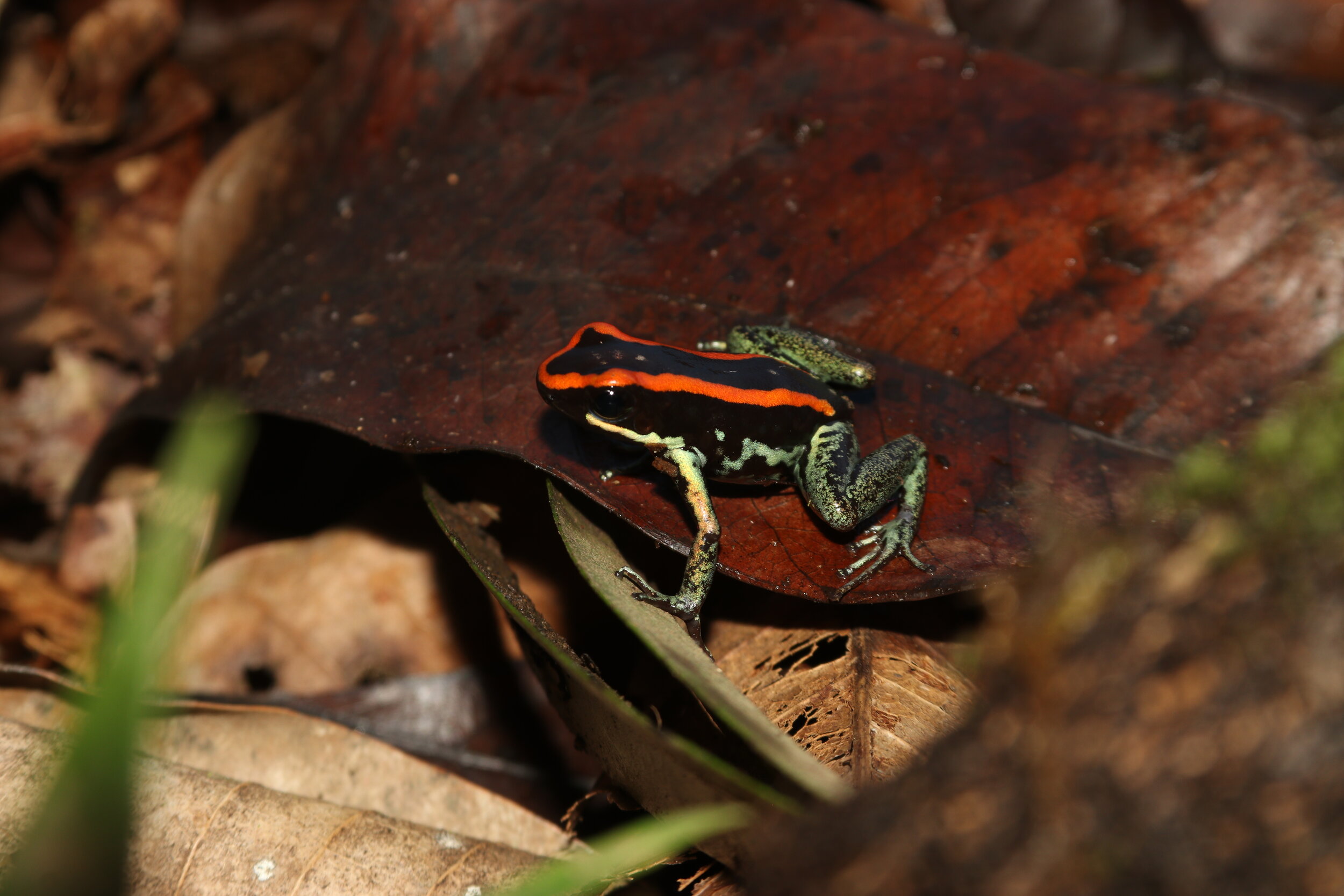
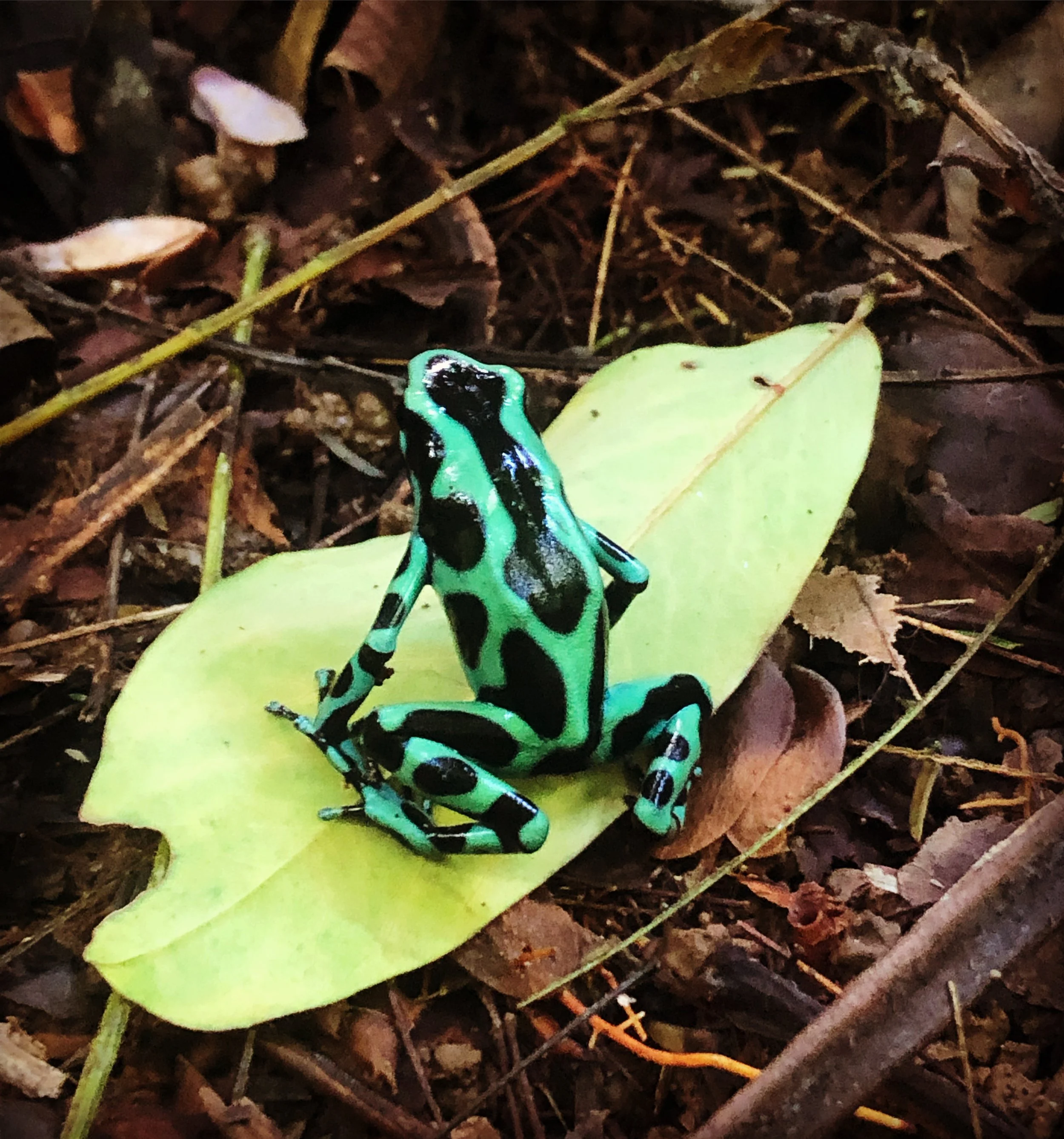
A central theme of my work is the evolution of defensive and counter-defensive traits in animals. Natural toxins provide powerful model systems for studying these processes because they impose strong, quantifiable selection. I investigate how predators evolve resistance to toxic prey, how prey deploy chemical and visual defences, and how cognition, perception, and learning shape the outcomes of these interactions. However, my interests extend beyond toxins per se, to the broader question of how ecological interactions generate and maintain phenotypic diversity.
My research addresses questions such as:
How do novel traits arise and become established in populations?
Why does evolution repeatedly converge on similar solutions in some systems, but not others?
How do cognition, sensory processing, and learning act as selective agents in natural populations?
What molecular, developmental, and physiological constraints limit adaptive evolution?
To answer these questions, my group works across multiple levels of biological organisation. We combine behavioural experiments, sensory ecology, and visual modelling with molecular evolution, functional genomics, and comparative approaches. Our work spans predator–prey, plant–herbivore, and signalling systems, linking proximate mechanisms, such as neural processing, developmental plasticity, and molecular resistance, with their ecological and evolutionary consequences.
Empirically, we study a diverse range of organisms, including birds, insects, amphibians, and mammals. These systems allow us to test general evolutionary principles using tractable, repeatable traits such as toxin resistance, warning signals, colour change, and predator decision-making.