
Mitsuhiko Imamori/Minden Pictures

Credit: CC0, via Pixabay
BBC World Service – Nature’s Black and White
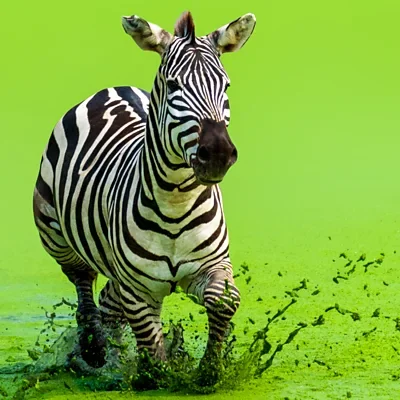
I appeared on the BBC World Service’s Crowdscience, alongside Prof. Martin How and Prof. Tim Caro to discuss why many animals evolve striking black-and-white colouration. Drawing on research from behavioural ecology and evolutionary biology, I explained how high-contrast patterns can serve multiple functions simultaneously, including camouflage, signalling, and predator deterrence, highlighting how animal colouration reflects the complex trade-offs shaped by natural selection.
Scientific American – Feature Coverage of Eyespot Research
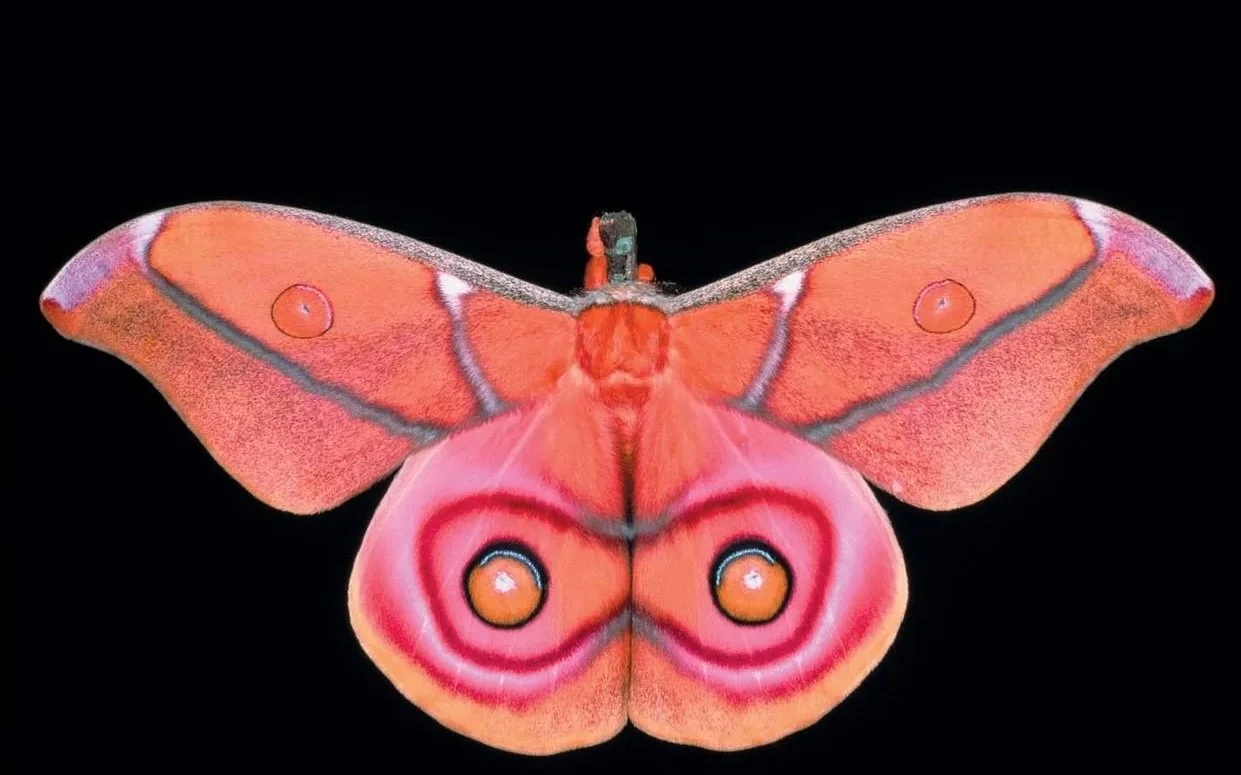
Our research on butterfly and moth eyespots was featured in Scientific American as part of its Science in Images section (January 2023). The article highlighted our experimental demonstration that eyespots function not only as conspicuous markings, but as perceptual stimuli that appear to ‘look back’ at predators. By showing that birds respond more cautiously when eyespot pupils are oriented toward them, our work provided empirical support for the idea that eyespots exploit predator visual processing through a gaze-direction illusion known as the ‘Mona Lisa effect’.
How To Survive Poison
Bugs do it. And vertebrates - and even humans. How do you eat poison and get away with it? I joined Shab Mohammadi and Anurag Agrawal on the Naked Scientists to explain the pros and cons of sequestering toxins.

Credit: CC-BY-NC - TexasEagle
The world's most incredible animals
I helped the Naked Scientists go in search of the world's most incredible animals. I and a group of scientists described our favourite animals to a panel of judges. But which animal was crowned the winner?

Credit: Rosa Rugani, University of Paldov
Counting chicks
Chicks, just like humans, count from left to right, which has big implications in understanding why it is we do this. I chatted with Naked Scientist Graihagh Jackson about Research from Giorgio Vallortigara’s lab at the University of Trento, where Francesca is doing her PhD research.

I and my collaborators photographed women multiple times over their cycle and analysed patches of cheek skin for colour changes. Image modified from a photo by Alix Klingenberg.
Do women advertise their fertility?
It’s not just embarrassment or blushing that makes a lady redden: women also become subtly redder when they are ovulating... I talked to Naked Scientist Chris Smith about our research on facial colour change across the menstrual cycle.
ScienceNews.org, 9th July 2015 » Women blush when ovulating, and it doesn’t matter a bit
Interview on BBC Radio Cambs, 3rd July 2015 MP3, 6 mins
Gizmodo.com, 1st July 2015 » We Still Don't Know Why Men Find Ovulating Women More Attractive
TelegraphIndia.com, 1st July 2015 » Redder? But too subtle for men, ladies
LiveScience.com, 30th June 2015 » There's a Sign Women Are Ovulating, But Men Can't Detect It
NBC Today.com, 30th June 2015 » Is she ovulating? Wildlife camera spots fertility cue men can't see